
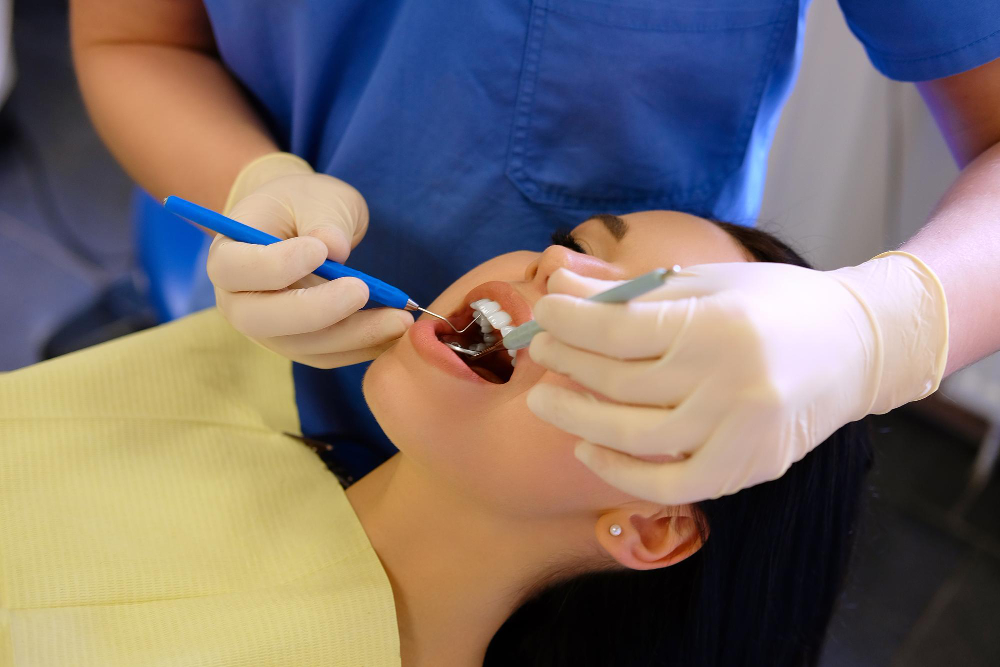
What Are Wisdom Teeth?
Wisdom teeth are the last set of molars in your mouth. Usually, they appear between ages 17 and 25. For many people, these teeth do not cause problems. However, some people may feel pain or discomfort as they grow. Because wisdom teeth are in the back of your mouth, they can be hard to clean. As a result, they may lead to dental issues.
Why Are Wisdom Tooth Extractions Needed?
Sometimes, wisdom teeth do not have enough space to grow. When this happens, they can become impacted. Impacted teeth may grow sideways or only come in partway. This can cause pain, swelling, or infection. In many cases, dentists recommend wisdom tooth extraction to prevent future problems. According to the American Dental Association (ADA), removing these teeth can help keep your mouth healthy.
Signs and Symptoms Indicating Extraction
It is important to know when wisdom teeth may need removal. Some common signs include:
If you notice these symptoms, you should see a dentist. Early care can help prevent bigger problems.
The Wisdom Tooth Extraction Procedure: Step-by-Step
Many people feel nervous about wisdom tooth extraction. However, knowing what to expect can help ease your mind. Here is a step-by-step overview:
Most extractions are quick and safe. Your dentist will give you instructions for care at home.
Recovery Tips After Wisdom Tooth Removal
Proper care after wisdom teeth removal helps you heal faster. Here are some helpful recovery tips:
Following these tips can help with wisdom teeth removal recovery and pain relief.
Potential Risks and Complications
Although wisdom tooth extraction is safe, some risks exist. For example, you may have:
If you notice any of these problems, contact your dentist right away. Early treatment can prevent further issues.
When to See a Dentist
It is important to know when to see a dentist for wisdom teeth. You should make an appointment if you have:
Additionally, if you are searching for “wisdom tooth extraction near me,” look for a trusted dental clinic in your area. Prompt care can help you avoid complications.
Prevention and Oral Care After Extraction
Good oral care is key after wisdom tooth removal. To keep your mouth healthy:
By following these steps, you can prevent infection and support a smooth recovery.
If you have concerns about your wisdom teeth, consult a dentist for personalized advice. Your dentist can help you decide if wisdom tooth extraction is right for you and guide you through a safe recovery.