
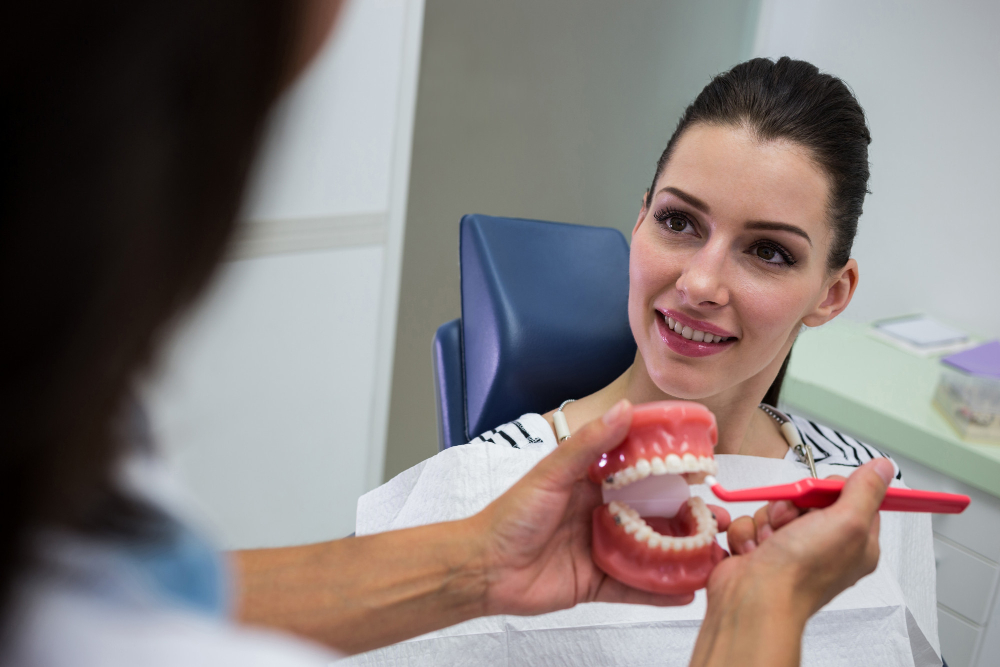
What Are Dentures?
Dentures are removable replacements for missing teeth. They help restore your smile and make eating easier. Because dentures look like natural teeth, many people feel more confident wearing them. Dentures are often called “false teeth.” However, they can look and feel quite real. Dentists use dentures to replace some or all missing teeth in your mouth.
Types of Dentures
There are several types of dentures. Each type serves a different need. For example, some people need only a few teeth replaced, while others need a full set. Here are the main types:
Because each person is different, your dentist will help you choose the best dentures for your needs.
Who Needs Dentures?
Many people need dentures at some point in life. Usually, adults who have lost teeth due to age, injury, or disease are good candidates. Seniors often look for the best dentures for seniors to improve their quality of life. However, younger adults may also need dentures after accidents or dental problems.
Symptoms and Signs You May Need Dentures
Sometimes, it is not easy to know when you need dentures. Still, certain signs can help you decide. Watch for these symptoms:
If you notice these signs, it may be time to talk to your dentist about dentures.
Causes of Tooth Loss Leading to Dentures
Several reasons can cause tooth loss. Because missing teeth can affect your health, it is important to know the causes. Common reasons include:
According to the CDC, gum disease is a leading cause of tooth loss in adults.
Diagnosis and Assessment for Dentures
First, your dentist will examine your mouth. They may take X-rays to check your jaw and remaining teeth. Next, your dentist will discuss your needs and options. Because each mouth is unique, the dentist will suggest the most suitable dentures for you. Sometimes, other treatments may be needed before getting dentures.
The Denture Fitting Process
Getting dentures involves several steps. The denture fitting process usually includes:
Because your mouth may change over time, follow-up visits are important. Your dentist will make sure your dentures fit well and feel comfortable.
Caring for Your Dentures
Proper care keeps your dentures clean and your mouth healthy. Here are some tips on how to care for false teeth:
With good care, dentures can last many years.
Benefits and Challenges of Dentures
Dentures offer many benefits. For example, they restore your smile and help you eat better. They also support your facial muscles, which can prevent sagging. However, there are some challenges. At first, dentures may feel strange or uncomfortable. You may need time to adjust to eating and speaking. Sometimes, dentures can slip or cause sore spots. Still, most people adapt with practice and support.
Tips for Living Comfortably with Dentures
Adjusting to dentures takes patience. But you can make the process easier with these tips:
Because everyone is different, your dentist can offer more advice for your situation.
Prevention: Maintaining Oral Health to Delay Dentures
Good oral care can help you keep your natural teeth longer. To delay the need for dentures, try these steps:
According to the World Health Organization, prevention is key to lifelong oral health.
Frequently Asked Questions about Dentures
For more information, visit trusted sources like the CDC or your local dental association.
Consult a dental specialist for personalized advice on dentures and oral health.