
Introduction
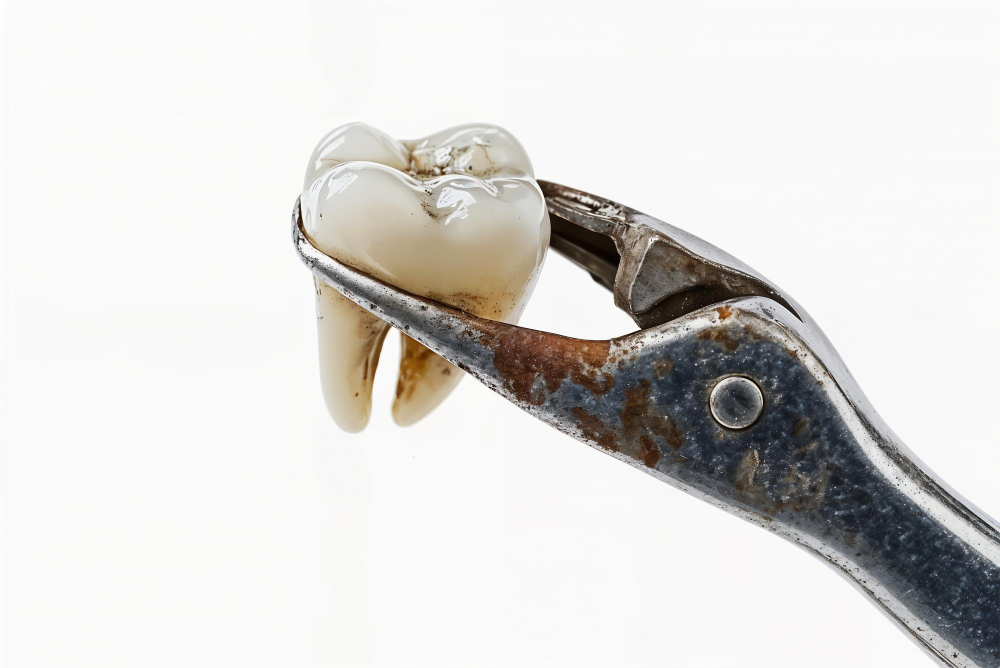
Tooth extraction means removing a tooth from its place in the mouth. Sometimes, this step is important for your dental health. For example, a dentist may suggest tooth extraction if a tooth is badly damaged or infected. Although it may sound scary, tooth extraction is a common dental procedure. With the right care, most people recover quickly. In this blog, you will learn what to expect, how to recover, and how to care for your mouth after tooth extraction.
Common Reasons for Tooth Extraction
There are several reasons why a dentist may recommend tooth extraction. Often, removing a tooth helps prevent pain or infection. Some common reasons include:
Sometimes, removing a tooth is the best way to protect your overall health.
Symptoms and Signs That May Lead to Extraction
Many people wonder when a tooth might need to be removed. While each case is different, some signs can suggest a problem. For instance, you may notice:
If you have these symptoms, it is important to see a dentist soon. Early care can sometimes save a tooth.
How Tooth Extraction Is Diagnosed and Planned
First, a dentist will check your mouth and ask about your symptoms. Next, they may take X-rays to see the tooth and the bone around it. These steps help the dentist decide if tooth extraction is needed. Sometimes, other treatments can save the tooth. However, if removal is the best choice, your dentist will explain the plan. They will also talk about your health history to make sure the procedure is safe for you.
The Tooth Extraction Procedure: What to Expect
Many people feel nervous before a tooth extraction. However, knowing what happens can help you feel calm. Here is what you can expect:
Most tooth extractions are quick and safe. After the procedure, you will get instructions for care at home.
Recovery Tips and Aftercare Guidelines
Proper aftercare is key for a smooth recovery after tooth extraction. Here are some helpful tips:
Following these tooth extraction aftercare steps can help you heal faster. If you notice heavy bleeding, fever, or severe pain, contact your dentist right away.
Possible Risks and Complications
Although tooth extraction is usually safe, some risks can occur. For example, you might have:
Most problems are minor and can be treated quickly. However, it is important to follow your dentist’s advice to lower your risk.
Prevention: How to Avoid Tooth Extraction When Possible
Good dental care can help you avoid tooth extraction. Here are some simple steps:
By taking care of your teeth, you can lower your risk of needing a tooth extraction in the future.
Conclusion
Tooth extraction can sound worrying, but it is a safe and common procedure. With the right care, most people recover quickly. If you have tooth pain or think you may need an extraction, do not wait. Consult a dentist for personalized advice on tooth extraction and recovery. For more information, you can visit trusted sources like the CDC or the American Dental Association.