
What Are Dental Crowns?
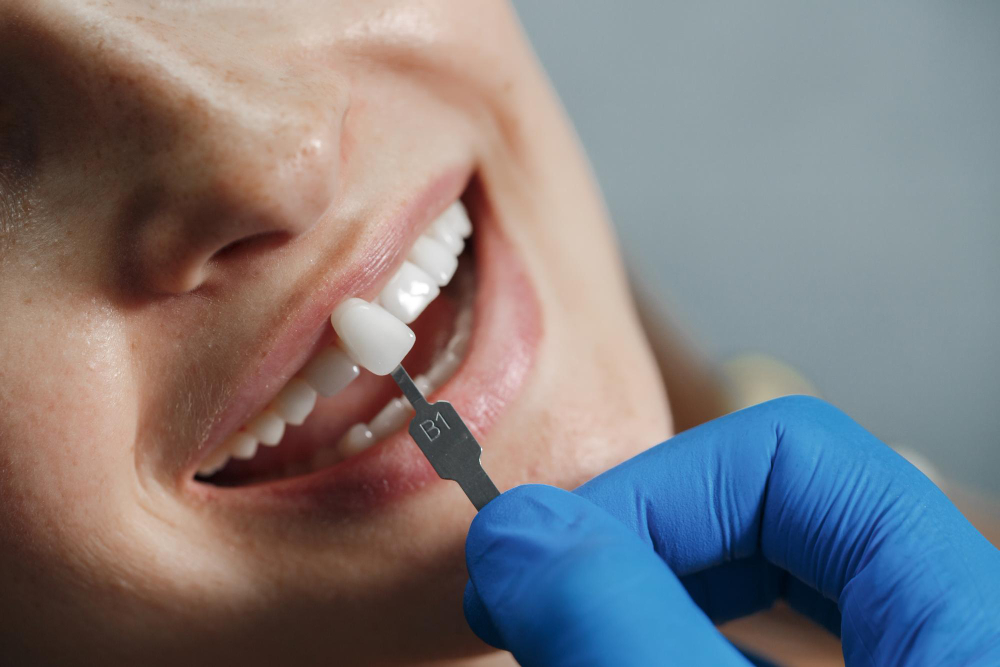
Dental crowns are tooth-shaped caps placed over weak or damaged teeth. They help restore the tooth’s shape, size, and strength. In many cases, dental crowns also improve the look of your smile. Dentists use crowns when fillings cannot fix the problem. For example, if a tooth is cracked or worn down, a crown can protect it. According to the American Dental Association, crowns are a common way to save teeth and avoid extractions.
Common Causes of Tooth Damage
Many things can harm your teeth. However, knowing the causes helps you protect your smile. Here are some common reasons teeth get damaged:
Because these problems are common, dental crowns are often needed to restore damaged teeth.
How Dental Crowns Restore Damaged Teeth
Dental crowns work by covering the entire visible part of a tooth. As a result, they hold the tooth together and prevent further damage. Crowns also help you chew and speak better. In addition, they can make your tooth look natural and healthy again. Dentists choose crowns when other treatments, like fillings, are not enough. So, if you have a broken or weak tooth, a crown may be the best solution.
Types of Dental Crowns
There are several types of dental crowns. Each type has its own benefits. Your dentist will help you choose the best one for your needs. Here are the main types:
Because each type has pros and cons, it’s important to discuss your options with your dentist.
The Dental Crown Procedure: Step-by-Step
Getting a dental crown usually takes two visits. Here’s what you can expect:
Because the process is simple, most people return to normal activities the same day.
Benefits and Risks of Dental Crowns
Dental crowns offer many benefits. However, there are also some risks to consider.
But, like any dental treatment, crowns have some risks:
Because most people do well with crowns, the benefits often outweigh the risks. Still, talk to your dentist about any concerns.
Aftercare and Longevity Tips
Proper care helps your dental crown last longer. Here are some simple tips:
Because crowns can last 5 to 15 years or more, good habits make a big difference.
Prevention: Protecting Your Teeth from Damage
While dental crowns are a great solution, it’s best to prevent tooth damage in the first place. Try these steps:
Because prevention is easier than treatment, these habits help keep your teeth strong and healthy.
For more information, visit trusted sources like the American Dental Association or speak with your local dentist.
Consult a dentist for personalized advice on dental crowns and tooth restoration.