
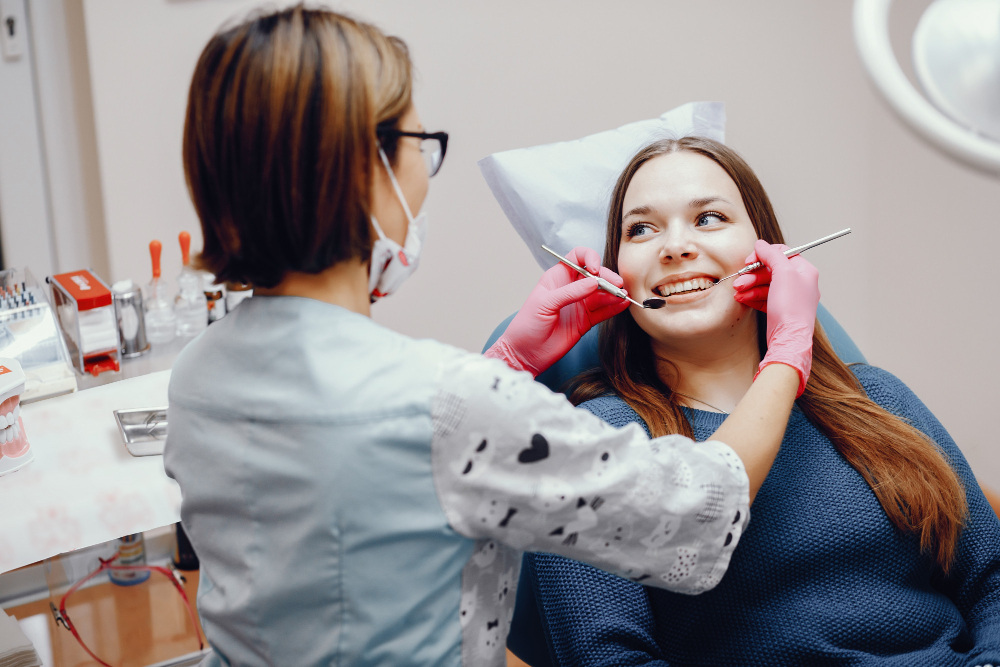
What is Full Mouth Rehabilitation?
Full mouth rehabilitation is a complete dental treatment that restores all teeth in your mouth. This process combines different dental procedures to fix problems like missing, broken, or worn teeth. As a result, you get a healthy, beautiful smile. Dentists use full mouth rehabilitation to improve how your teeth look and work. This treatment is also called dental restoration or a smile makeover. Many people choose this option for a fresh start with their oral health.
Who Needs Full Mouth Rehabilitation?
Not everyone needs full mouth rehabilitation. However, some people benefit more than others. You may need this treatment if you:
For example, people with injuries or long-term dental issues often need comprehensive dental treatment. If you are unsure, your dentist can help you decide.
Common Causes for Full Mouth Rehabilitation
Several reasons can lead to the need for full mouth rehabilitation. Some common causes include:
Because these problems can get worse, early treatment is important. Your dentist will check your mouth and suggest the best plan.
The Step-by-Step Process
Full mouth rehabilitation follows a careful process. Here is what you can expect:
Each step is important for long-lasting results. Your dentist will guide you through every stage.
Benefits of Full Mouth Rehabilitation
There are many benefits to full mouth rehabilitation. Some of the main advantages include:
Moreover, this comprehensive dental treatment can help prevent future dental problems. Many patients feel happier and healthier after their treatment.
Risks and Considerations
Like any dental procedure, full mouth rehabilitation has some risks. However, most risks are rare and can be managed. Possible risks include:
Because your dentist uses safe methods, most people recover well. Always follow your dentist’s advice to lower your risk.
Recovery and Aftercare Tips
After full mouth rehabilitation, proper care is key. Here are some tips to help you recover:
With good care, your new smile will last for many years.
Prevention and Maintenance
Even after a smile makeover, prevention is important. To keep your teeth healthy, you should:
Because prevention is easier than treatment, these steps help you avoid future dental problems.
Frequently Asked Questions
In summary, full mouth rehabilitation offers a fresh start for your smile. If you think you may need this comprehensive dental treatment, consult a dental specialist for personalized advice.